Lula won. Now it’s time to correct the mistake of the bets.
Analysis argues Brazil's ban on fixed-odds betting weakens the licensed market and shifts activity to unlicensed operators, as companies challenge Provisional Measure 1.394/2026 in court and Congress.
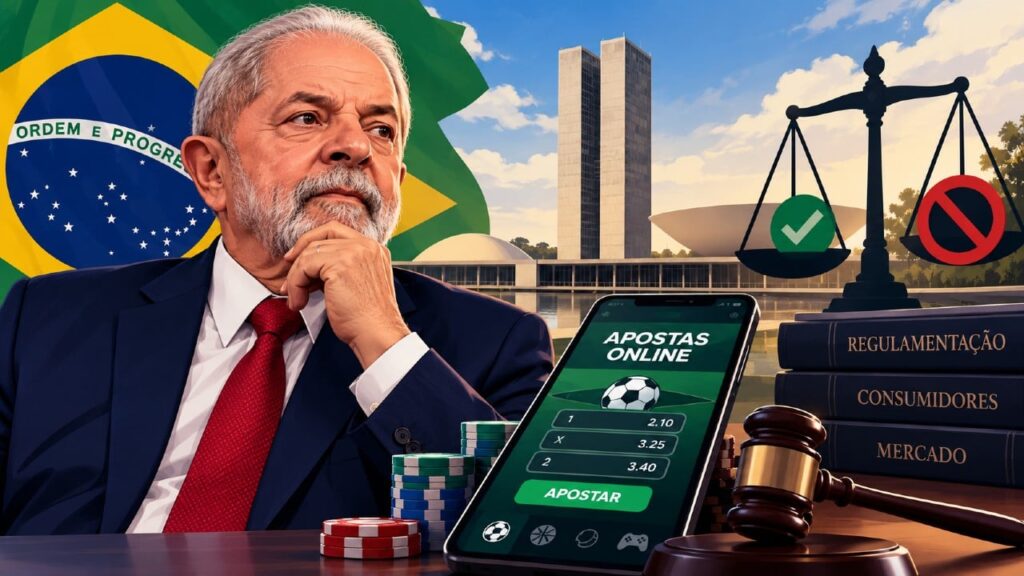
Luiz Inácio Lula da Silva was re-elected on 25 October 2026 for a fourth term, with 51.79% of valid votes against 48.21% for Flávio Bolsonaro, a lead of about 4.4 million votes, according to the TSE with 99.99% counted. In an analysis for BNL Data, editor Magno José argues that the government's move to ban sports betting weakens the regulated market rather than protecting bettors.
Provisional Measure 1.394/2026, published on 25 September, prohibited fixed-odds betting operations and advertising and gave authorized companies 30 days to comply. The deadline expired on election day. The 85 authorizations granted by the Secretariat of Prizes and Betting of the Ministry of Finance, covering 188 brands, lost validity, and fees paid will not be refunded, the article says.
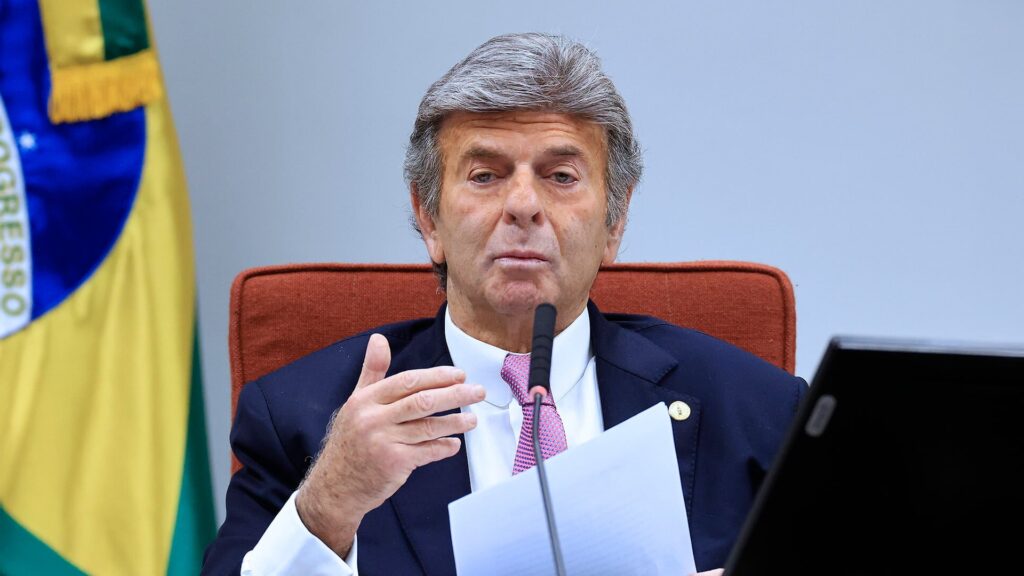
Operators and ANJL filed 19 injunctions, including 14 at TRF3 and five at TRF1. No injunction has been granted; a partial injunction for Stake was suspended by the TRF3 president at the federal government's request. Minister Luiz Fux at the Supreme Federal Court is set to decide on a request to suspend the measure. Congress is unlikely to act immediately, and the article says the measure could remain valid until 4 March 2027 if not voted. The analysis argues prohibition relocates gambling to unlicensed sites and that regulation, oversight and tax collection remain the workable path.