Licensing only a fraction of African iGaming market entry costs, SOFTSWISS panel finds
A SOFTSWISS LinkedIn Live panel examined the real costs of entering African iGaming markets, with South Africa as the main example.
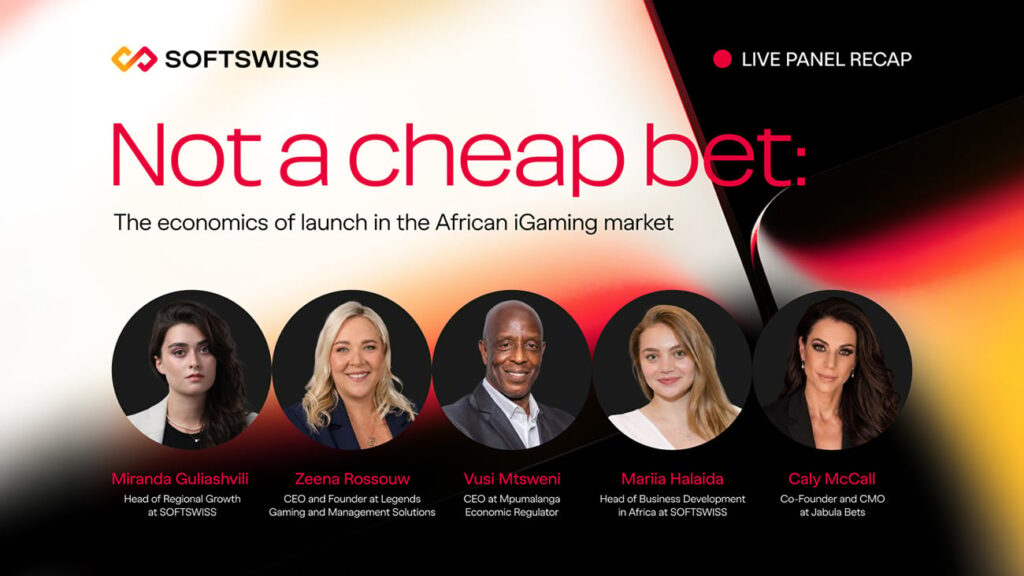
SOFTSWISS hosted a LinkedIn Live panel titled Not a Cheap Bet: The Economics of Launch in the African iGaming Market. Participants included South Africa’s Mpumalanga Economic Regulator, operator Jabula Bets, consultancy Legends Gaming and Management Solutions, and SOFTSWISS. The discussion focused on market entry costs, mainly in South Africa.
Panellists said Africa is not one market but 54 countries with different licensing, anti-money laundering rules and player habits. Payment methods vary: mobile money in Kenya; vouchers, electronic funds transfers and cards in South Africa; USSD and agent networks elsewhere. Operators need separate compliance and locally tailored content for each country.
In South Africa, operators apply province by province, with nine authorities using different processes. Approval can take three, six or 12 months depending on province and application complexity. Products require certification from a test lab and the South African Bureau of Standards, and platforms must produce 21 market-specific regulatory reports. Some operators licensed more than a year earlier have not launched because software needed further development.
Licensing is among the smaller launch costs. Most spending goes to localisation, certification, a local company and staff, Broad-Based Black Economic Empowerment requirements, technology, payments and marketing. Panellists advised a feasibility study, local contacts, partner due diligence and early work with a local partner and test lab. Mpumalanga Economic Regulator CEO Vusi Mtsweni said international operators should enter South Africa because they understand the market and are ready to invest long term, not simply because it is growing.