Brazil’s betting ban faces questions over tax revenue, jobs and illegal gambling at Supreme Court hearing
Brazil’s Supreme Federal Court heard arguments on the ban on fixed-odds betting, weighing tax revenue, jobs and illegal gambling.
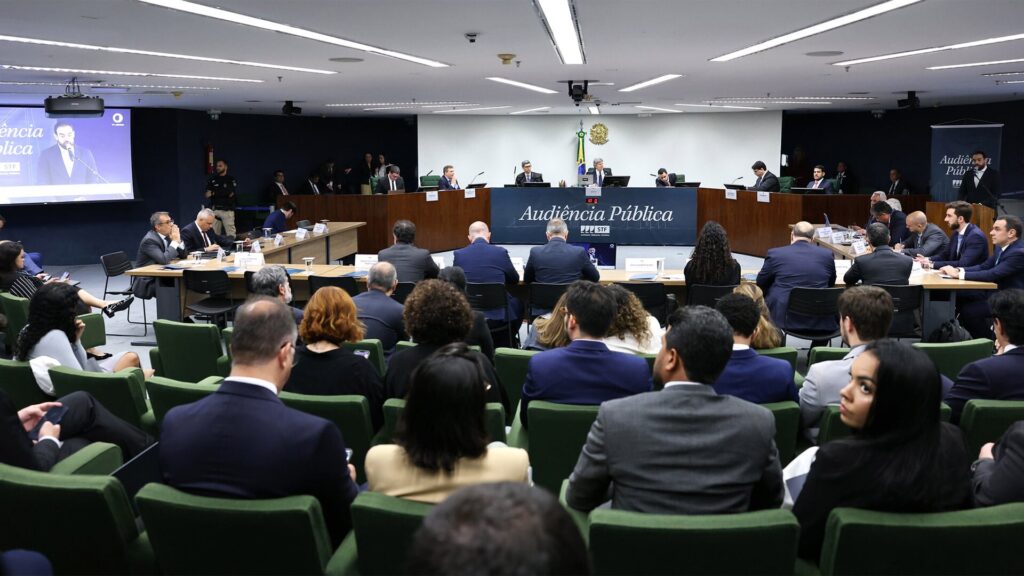
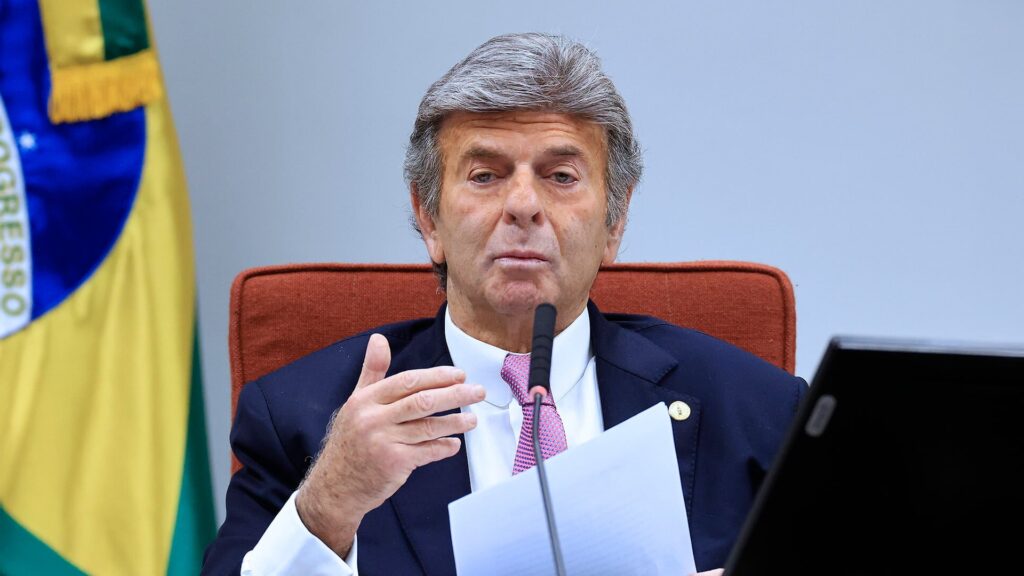
Brazil’s Supreme Federal Court (STF) heard opposing arguments on Tuesday (3 November) over the government’s ban on fixed-odds betting, weighing economic and legal implications. Provisional Measure 1.394/2026, signed by President Luiz Inácio Lula da Silva on 25 September, abolished the regulated market and faces eight constitutional challenges. Justice Luiz Fux, who presided, set no deadline for a ruling. The measure’s initial 60-day congressional review expires on 23 November and can be extended by another 60 days.
The Ministry of Finance defended the prohibition while acknowledging the regulated market had been a significant advance in supervision and consumer protection. It estimated bettors transferred R$62 billion ($11.35 billion) to the sector, default probability rose almost 40% after betting, and GDP impact could reach R$120 billion ($22 billion) to R$140 billion ($25.6 billion), with more tax lost than collected. ABLE disputed the calculations, saying betting was under 0.5% of household consumption versus nearly R$700 billion ($128 billion) in interest payments.
Official figures showed the sector paid R$9.95 billion in federal taxes and R$4.53 billion in legal levies in 2025. IBJR and ANJL sought suspension, citing legal uncertainty and R$30 million in licences terminated without refunds. ABERT said illegal betting ad complaints rose from 2.3 to 8.5 a day after the ban. Flamengo warned about R$430 million ($84 million) in annual revenue and 1,200 jobs, citing its Betano deal worth R$268.5 million ($49 million) annually before bonuses. The hearing ended without a decision.